How Digital Marketing Is Helping Business Sales Increase.

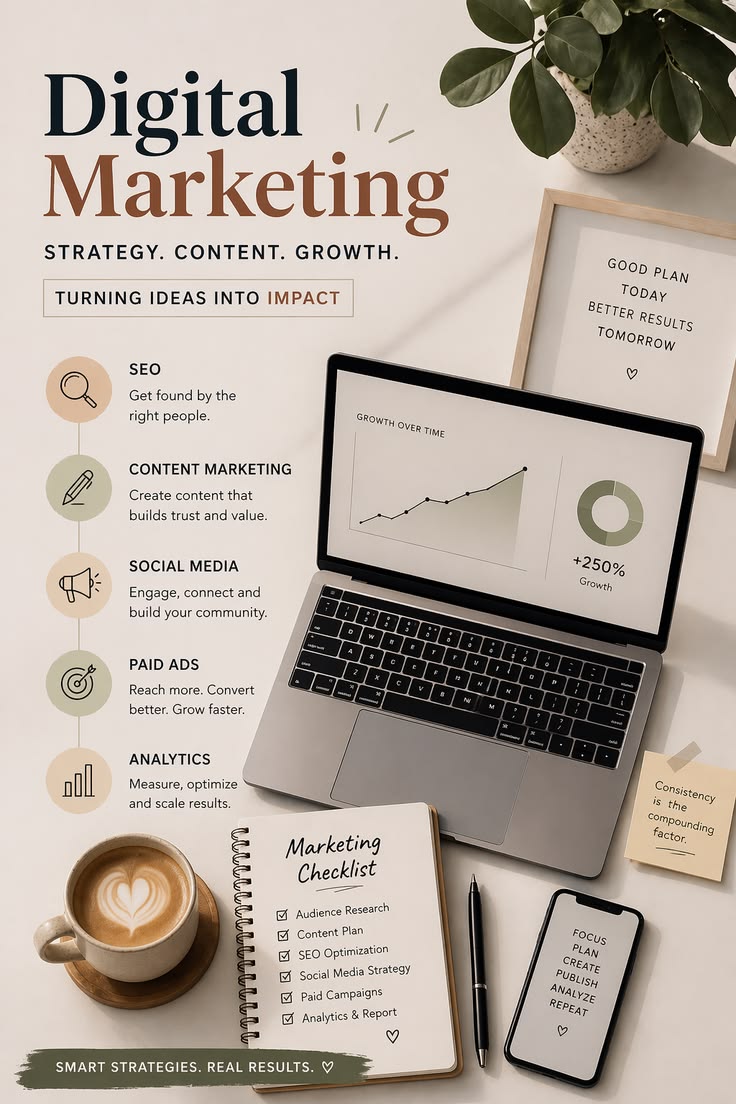
How digital marketing helps businesses increase revenue and market presence Digital marketing’s importance in the modern business landscape cannot be overstated. As consumers increasingly turn to online platforms for their purchasing decisions, businesses must adapt to this shift to remain competitive. Digital marketing is vital for enhancing market presence and driving revenue growth. It encompasses a wide range of strategies designed to engage customers, build brand loyalty and ultimately increase sales. The demand for skilled digital marketing professionals is on the rise. Companies are recognising that expertise in this field is essential for navigating the complexities of online marketing. This creates many career opportunities for individuals looking to enter or advance in marketing. The role of digital marketing extends beyond mere promotion; it involves crafting tailored experiences that resonate with target audiences. This blog will explore various digital marketing importance through strategies, how they can help increase revenue with digital marketing and why modern businesses rely heavily on these practices for sustained growth and success. Read the blog as we delve into the transformative power of digital marketing and discover how it can propel your business forward. Table of Contents Understanding digital marketing strategies Digital marketing strategies are the foundation of a business’s online presence. The importance of digital marketing for businesses seeking to thrive in today’s competitive environment cannot be ignored. These strategies not only enhance visibility but also foster meaningful connections with customers. Here are some key strategies that businesses can implement: Each of these strategies aligns businesses with growth by meeting customers at different points in their purchasing journey. Implementing these strategies helps companies develop a cohesive marketing plan that enhances brand awareness, drives engagement and ultimately leads to growth and revenue. Boost career with Digital Marketing? Increase revenue with digital marketing Increasing revenue and using digital marketing for business growth requires a strategic approach leveraging various marketing channels’ strengths. Here’s how businesses can achieve this: By implementing these strategies effectively, businesses can significantly boost revenue, making digital marketing an essential component of modern business growth. Digital marketing and ROI Understanding and maximising return on investment (ROI) is crucial for any successful digital marketing strategy. Digital marketing enables businesses to track and measure performance, making it easier to understand ROI and refine strategies accordingly. How Digital Marketing Boosts ROI Digital marketing’s ability to deliver measurable results makes it a reliable approach to maximising ROI. It gives businesses the data they need to focus on what works best. Transforming while studying digital marketing at GBS Malta Pursuing a qualification like the MA in Marketing and Brand Management at GBS Malta offers invaluable benefits you if you are interested in mastering digital marketing and advancing in their careers. This programme provides a comprehensive understanding of digital marketing strategies, brand management and modern business dynamics, equipping you with the skills needed for a successful career in this fast-evolving field. Why choose GBS Malta for your digital marketing education?  GBS Malta stands out as an ideal choice for those looking to enhance their digital marketing skills and build a rewarding career in this dynamic field. The curriculum is designed to impart knowledge and ensure you are prepared for future challenges in an ever-evolving marketplace. Digital marketing is not just a trend; it’s a vital component of modern business strategy that drives growth and revenue generation across industries worldwide. Pursuing an MA in Marketing and Brand Management at GBS Malta offers you the necessary tools and knowledge needed for success in this dynamic field as you consider your future career path or seek ways to enhance your business’s online presence. Embrace the opportunity for transformation by enhancing your skills in digital marketing today.  Frequently asked questions about digital marketing and its importance 1. What is digital marketing’s importance? Digital marketing includes online channels and strategies for promoting businesses, building brand awareness and engaging customers. It’s vital for businesses aiming to stay competitive. 2. How can digital marketing strategies increase business value? Digital marketing is important as strategies increase business value by expanding reach, enabling precise audience targeting and enhancing brand awareness. Collectively, these drive higher sales and revenue growth. 3. What are some essential skills for a digital marketer? Key skills include SEO, social media management, data analysis, content creation and email marketing expertise. 4. Can small businesses benefit from digital marketing? Yes, small businesses can leverage cost-effective strategies like SEO and social media advertising to effectively compete with larger brands. 5. Why study digital marketing? Digital marketing offers dynamic career opportunities in a high-demand field, blending creativity with analytics and strategy.

Read More

How Social Media Marketing Is Booming Day By Day ?

Why Social Media Is Booming Day by Day — And Why Nobody Wants to Stay OfflineJust a few years ago, social media was mainly used for posting selfies, chatting with friends, or sharing vacation pictures. But today, it has become much bigger than that. Social media is now a part of our daily routine. From the moment we wake up to the time we go to sleep, most of us spend hours scrolling through Instagram, watching reels, replying to Snapchat streaks, checking YouTube shorts, or reading posts on X and Facebook. The truth is simple — social media is growing every single day because people are becoming more connected to the internet, and honestly, it feels impossible to stay away from it now. But have you ever wondered why social media is booming so fast? Why are millions of new users joining platforms every year? Why do people spend so much time online? Let’s talk about the real reasons behind it. 1. Everyone Wants to Stay ConnectedOne of the biggest reasons social media is booming is because it helps people stay connected instantly. Earlier, people had to wait for phone calls or messages. Now, with one click, you can talk to someone living in another country. Whether it’s sharing memes with friends, video calling relatives,or sending reels to your best friend at midnight, social media makes communication easy and fast. Teenagers especially love this because it helps them feel connected all the time. Even introverts find social media comfortable because they can express themselves online more easily than in real life. 2. Short Videos changed EverythingYouTube Shorts, Reels and TikTok-style videos completely changed social media. People now prefer watching entertaining ,shorts videos instead of long content. These videos are quick, addictive, and easy to consume. You open Instagram for five minutes, and suddenly one hour disappears without even realizing it. Social media companies understand human behavior very well. That’s why they keep showing content based on your interests. If you watch one fitness reel, your feed gets filled with fitness videos. If you like funny memes, more memes appear. This personalized experience keeps users engaged for hours. 3. Social Media Became a Source of IncomeEarlier, social media was only for entertainment. But now, it has become a career option. Thousands of people are earning money through YouTube, Instagram,affiliate marketing,content creation and brand deals. Teenagers are become influencers at a young age. Small businesses are growing through online promotions. Everyone wants followers, engagement, and recognition. Some people start posting for fun, while others dream of becoming famous creators. The opportunity to earn money is one of the biggest reasons social media is expanding rapidly. 4. Trends Spread Faster Than EverSocial media is like a giant trend machine. A single song, meme, fashion style, or challenge can become viral worldwide within hours. People enjoy being part of trends because it makes them feel included. When everyone around you is talking about a viral topic, trending reel you naturally become curious too. This fear of missing out pushes more people to stay active online daily. That’s why social media platforms never feel boring for long. Something new keeps happening every day. 5. It Gives People Attention and ValidationThis is something many people don’t openly talk about, but it’s true. Humans naturally like appreciation and attention. Social media provides that instantly through likes, comments, shares, and followers. When someone posts a picture and gets positive reactions, it feels good emotion For many teenagers, social media becomes a place where they seek confidence and validation. this can sometimes become unhealthy, it still explains why people remain active online. The excitement of notifications keeps users coming back again and again. 6. News and Information QuicklyToday, people often get news from X Or instagram before television channels. Whether it’s sports updates, celebrity news, world events, or educational content, social media delivers information instantly. Many students even learn new skills YouTube tutorials or Instagram pages. People now prefer quick updates instead of reading long articles or waiting for TV programs. This speed makes social media more powerful every year. 7. Smartphones Made Social Media EasyAnother major reason behind the boom is smartphones. Almost everyone owns a mobile phone with internet access. Affordable smartphones and cheap data plans made social media available to millions of people, especially in countries like India. Now anyone can create content, upload videos, or start a page from their bedroom. You don’t need expensive equipment anymore. This accessibility is one of the strongest reasons social media continues to grow daily. The Positive Side of Social MediaSocial media is not completely bad. It helps people discover opportunities learn new things stay connected and even build careers. Many small businesses and small creators became successful because of onskills line platforms. Students can find motivation improve skills, and explore creativity through content creation. During difficult times, social media also helps people support each other emotionally. But there are Also a Dark SideAt the same time, social media addiction is becoming a serious issue. Many people compare their lives with others and start feeling insecure. High screen time affects sleep, mental health and concentration. That’s why balance is important. Social media should be used as a tool, not as something that controls your entire life. Final ThoughtsSocial media is booming day by day because it gives people connection, entertainment, attention, opportunities, and information — all in one place. It has completely changed the way we communicate and spend our time. The online world is growing rapidly, and social media is becoming more powerful every year. But while enjoying it people should also remember to spend time in the real world too. Because at the end of the day followers and likes are temporary — real experiences and real relationships matter more.

Read More

Top Digital Marketing Tools For Small Businesses

Running a small business requires smart marketing strategies, and the right digital marketing tools can help you save time, improve productivity, and grow your business. Whether you’re managing social media, optimizing your website, or tracking customer behavior, these tools make marketing easier and more effective. 1. Google AnalyticsGoogle Analytics helps you understand your website visitors by tracking traffic, user behavior, and conversions. It provides valuable insights that help improve your marketing strategy and website performance. 2. CanvaCanva is a user-friendly graphic design tool that allows businesses to create professional social media posts, presentations, flyers, and marketing materials without advanced design skills. 3. MailchimpMailchimp simplifies email marketing by helping you create newsletters, automate campaigns, and manage subscriber lists. It’s an excellent tool for building customer relationships. 4. SEMrushSEMrush is an all-in-one SEO and digital marketing platform that helps businesses perform keyword research, competitor analysis, backlink monitoring, and website audits to improve search engine rankings. 5. HootsuiteManaging multiple social media accounts becomes easy with Hootsuite. It lets you schedule posts, monitor engagement, and analyze performance from one dashboard. 6. Google Business ProfileA Google Business Profile helps local businesses appear in Google Search and Maps. Keeping your profile updated improves local SEO and makes it easier for customers to find your business. 7. HubSpot CRMHubSpot CRM helps businesses organize customer information, track sales, manage leads, and automate marketing tasks, making customer relationship management more efficient. Conclusion Choosing the right digital marketing tools for small businesses can significantly improve marketing performance while saving time and resources. From SEO and email marketing to social media management and analytics, these tools help businesses attract more customers, increase online visibility, and drive sustainable growth. Start with the tools that best match your business goals and scale your marketing efforts as your business grows. This blog naturally targets the keyword “digital marketing tools for small businesses” while remaining readable and optimized for search engines.

Read More

Marketing structure checklist: 10 questions for your next hire or agency contract

Anthony Andreatos Chief Operating Officer Table of Contents Share this post Copy to clipboard Share on Facebook Share this Share on LinkedIn Ready to Drive Real Growth? Stop guessing and start generating real results. Let’s talk about what growth could look like for your business. Get Started Today Jul 8, 2026·6 min read·Summarize in ChatGPT The decision to hire an in-house marketer or sign an agency contract feels like a simple budget choice. It is not. Choosing the wrong structure is one of the most expensive mistakes a business can make, leading to stalled growth, wasted spend, and internal friction. When leadership, marketing, and sales judge success by different rules, the structure produces blame instead of results. According to research cited by Marcus Sheridan in 2023, marketing events are attended by 90% marketers and only 2% sales staff. This disconnect shows up in budget decisions and performance reviews. It’s a setup for failure. A clear structure forces alignment before a dollar is spent or a contract is signed. This decision directly impacts your website’s ability to function as a demand engine, because the team you build is responsible for the technical SEO, content strategy, and conversion pathways that produce qualified leads. This is not a minor operational detail. It’s a strategic choice. Use this checklist to challenge your assumptions and commit to a plan that can succeed. A 10-point checklist for your next marketing decision Before your next leadership meeting about marketing resources, walk through these ten questions. The answers will point you to the right structure. 1. Is the work repeatable or one-time? Repeatable, daily work belongs in-house. This includes tasks like social media management, content updates, and sales support. The institutional knowledge gained through repetition creates value over time. One-time projects or specialized tasks, like a website rebuild, a technical SEO audit, or a brand launch, are better suited for an agency with specific expertise. 2. Will the workload fill a full-time seat for 12 months? Be honest about the volume of work. If you cannot map out a full-time workload for at least the next year, you don’t need a full-time hire. A new employee with insufficient work is an expensive problem. For fluctuating or project-based needs, a contractor or agency provides flexibility without the overhead of a permanent salary. 3. Who owns the target, budget, and final call? This is where most plans fall apart. Shared ownership is fake ownership. If marketing, sales, and the CEO all have a different idea of what success looks like, no one can be held accountable for a miss. Before hiring or signing, one person must be assigned as the single owner of the goal, the budget, and the final decision. Without a single point of responsibility, you are funding an argument, not a marketing program. 4. Is the brief clear enough for a scope of work? If you cannot write a detailed, one-page brief outlining the problem, the desired outcome, the target audience, the budget, and the key metrics, you are not ready to hire or outsource. A vague brief guarantees a vague outcome. Fix the plan first. A clear scope of work protects both you and your new hire or agency partner from scope creep and mismatched expectations. 5. Does the work need daily access to internal data? Functions that require constant, direct access to sales conversations, customer feedback, or proprietary product data should stay in-house. An internal team member can join a sales call or talk to a product manager instantly. An agency cannot. This proximity is essential for roles that support sales enablement or product marketing. 6. Does the work need data across many accounts? Some disciplines get better with scale. Paid media management, large-scale SEO, and technical site auditing benefit from an agency’s exposure to dozens of accounts. They see patterns across industries and can apply learnings from one client to another, improving your performance faster than an isolated internal team could. This is the highest-impact activity you can outsource. At 321 Web Marketing, our work in technical SEO and content strategy for B2B clients is built on this model. We see what’s working across a wide spectrum of industries and apply those insights to build websites that generate predictable inbound leads. 7. Does the work need a same-day response? Tasks tied to immediate business needs, like supporting a product launch, updating sales collateral, or managing internal communications, require an in-house presence. The need for a same-day or same-hour response time makes an agency model impractical. Keep these functions close to the core team. 8. Are the success metrics agreed upon in writing? Do not start work until the definition of success is documented and signed off on by all parties. For B2B, this means moving beyond vanity metrics like traffic or lead volume. Focus on pipeline influence, sales qualified leads (SQLs), and contribution to revenue. If the metrics are not agreed upon upfront, you are guaranteeing a painful conversation in six months. 9. Who manages the agency or the new hire? An agency or a new marketing hire is not a magical solution. They are a resource that requires management. If you do not have a senior marketing leader internally who can direct their work, review performance, and integrate them into the business, you must assign that owner first. An unmanaged resource, whether internal or external, will always underperform. 10. What breaks if the person or agency leaves tomorrow? Dependency is a risk. If your entire marketing reporting system, website access, or customer data is controlled by a single employee or agency, you have a critical point of failure. Core business knowledge and performance data should always be owned and accessible by the company. Use vendors and employees to execute, but never let them own the keys. A simple framework for the right decision Your company’s revenue stage can also guide the decision: If you have weak senior ownership at any stage, fix that first. Appoint one owner for the plan, budget, and results before adding anyone else. Making the

Read More